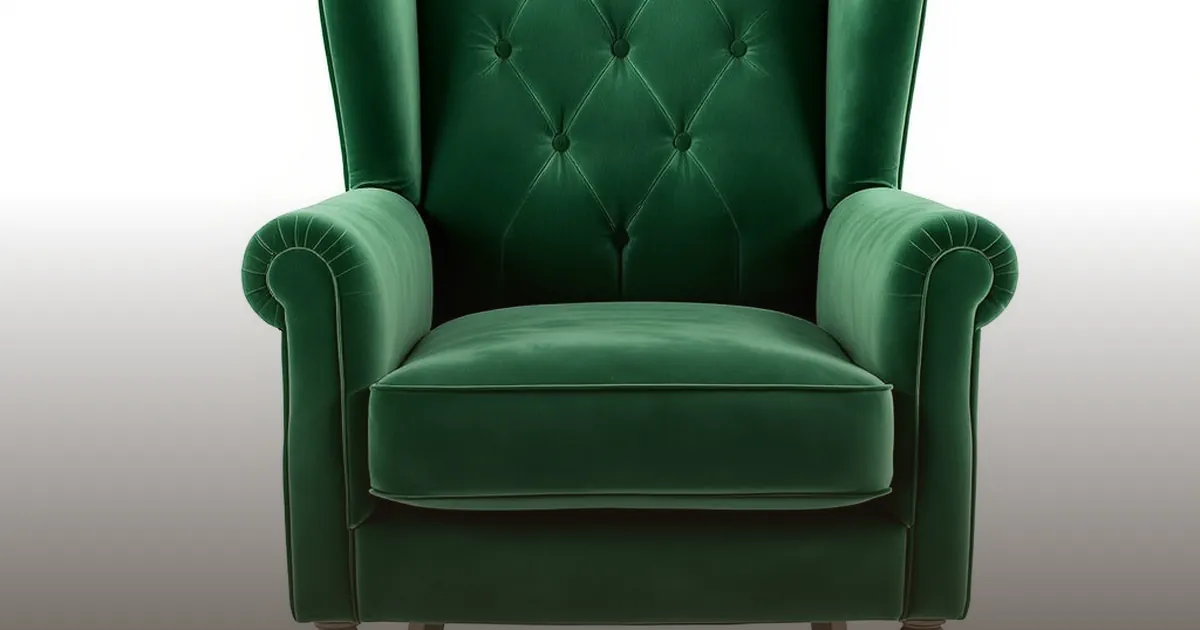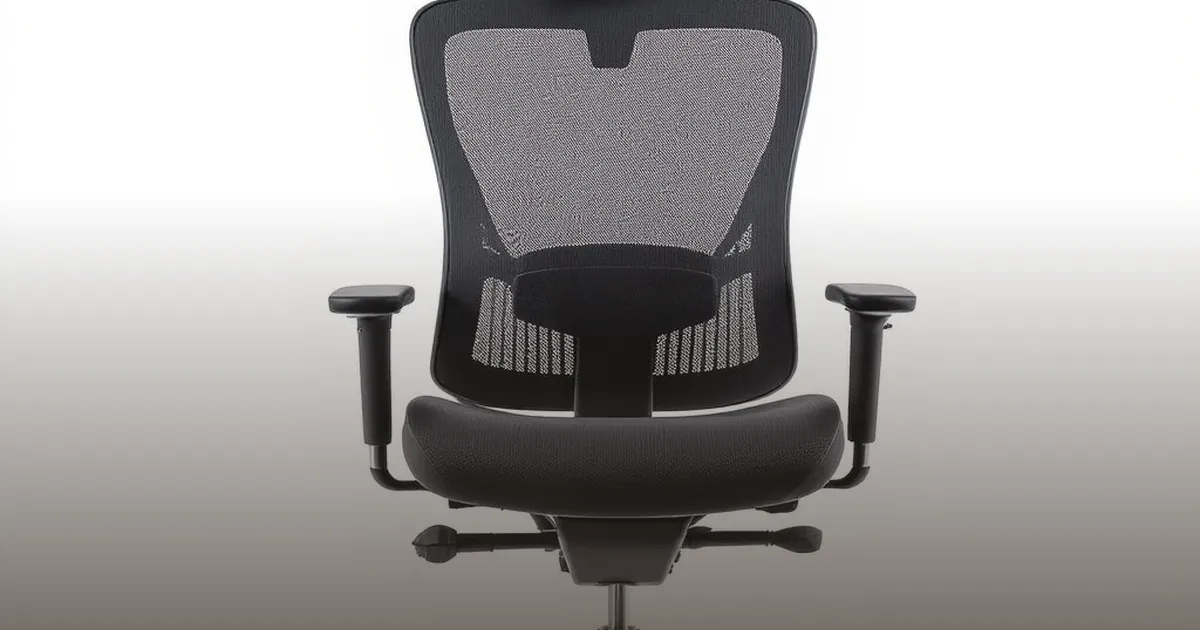
Nothing ruins a beautiful kitchen island faster than the wrong stool. Too tall and your knees press into the countertop; too short and you are reaching up to eat breakfast like a child at the adults' table. The fix is a single number — seat height — and once you know how to read it, choosing from our bar stool collection takes minutes. Here is the complete guide, with real stools and real prices from our range.
Nearly every counter and stool on the market follows the same standard. A kitchen counter — the 36-inch-tall surface that most homes have — pairs with a stool whose seat sits 24 inches off the floor. A bar or raised island, typically 40 to 42 inches tall, needs a 30-inch seat. The rule of thumb behind those numbers: leave 9 to 13 inches between the seat top and the underside of the counter so thighs fit and feet reach the floor or a footrest.
Measure before you shop, not after. Run a tape from the floor to the underside of your counter overhang — not the countertop itself — and subtract about 11 inches. If the answer is 13 inches or less, you are shopping for counter-height stools; 14 inches or more means bar height.
For a standard 36-inch kitchen counter, the counter stool collection is built for exactly this job. The backless upholstered counter stool at $110 has a 24-inch seat height, a padded faux-leather seat and a slim metal frame that tucks fully under the counter overhang — the detail that keeps walkways clear in a small kitchen.
If you want a softer look, the swivel counter stool in gray, beige or charcoal from $135 adds a 360-degree rotating seat, which sounds like a gimmick until you are passing plates across an island without scooting the whole stool sideways.
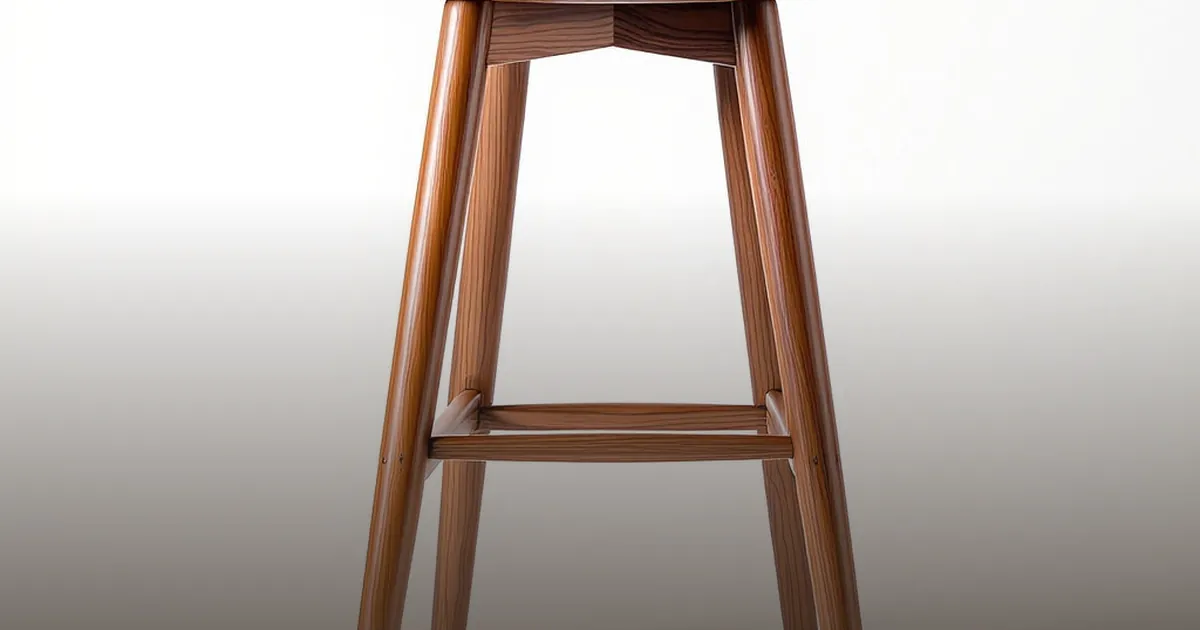
For 40 to 42 inch surfaces, shop the 30-inch seats. The velvet swivel bar stool at $150 runs in 28, 30 and 32 inch seat heights — the adjustable frame covers the awkward in-between counters that standard rules miss. The walnut mid-century wood stool from $140 covers the same range in a solid wood frame with a contoured seat, and its 30-inch version is the classic pairing for a raised breakfast bar.
Arms look comfortable and measure badly. An armrest adds 6 to 8 inches of height at the sides, and on a 12-inch clearance that means your elbows hit the counter before you sit down. Backless and low-back stools — like the industrial metal stool with padded seat from $90 — avoid the problem entirely and slide fully under the overhang. Save armchairs for the dining table, where clearance is unlimited.
Allow 21 to 24 inches of counter width per person, and 6 to 8 inches between the edge of the counter and the first stool. A six-foot island comfortably seats three adults; squeezing in a fourth means elbows and coat pockets collide every morning. If your count comes up one short, remember that backless stools can overlap the walkway slightly when not in use — a real advantage in galley kitchens.
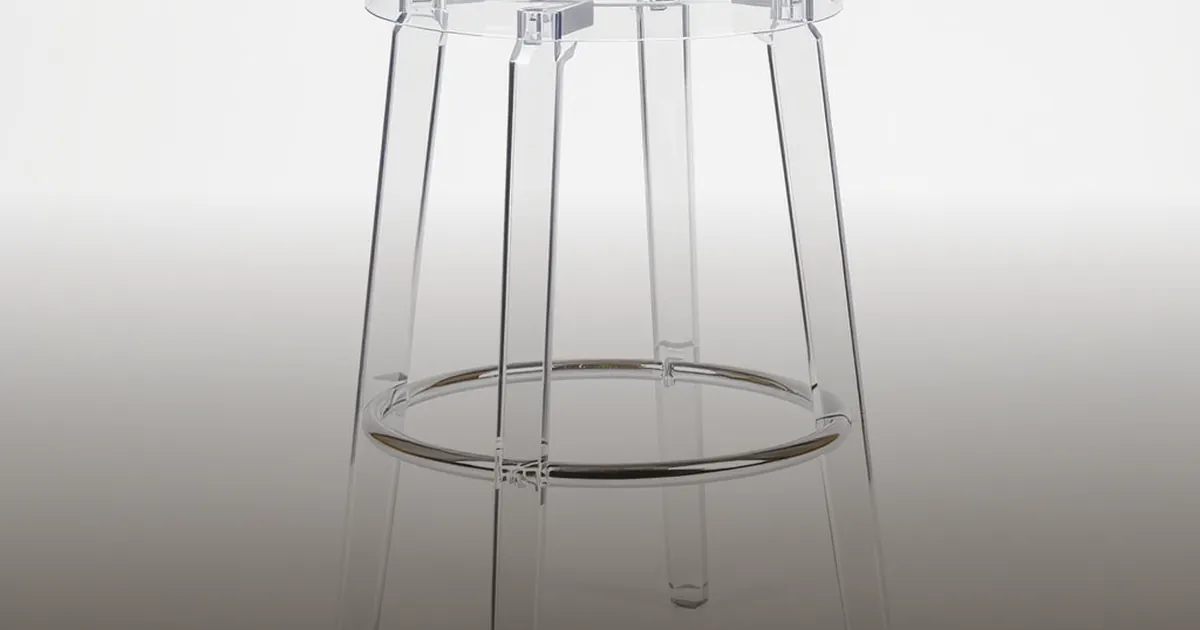
Households with kids and pets should start with wipeable surfaces: metal, wood and faux leather clean with a damp cloth, and the velvet bar stool at $89 is the exception worth considering — modern performance velvet is stain-treated and vacuums clean. Clear acrylic, like the minimalist acrylic stool at $89, visually disappears in a small kitchen, letting the island — not the seating — be the statement.
For the full under-$150 shortlist across every style, the under-$150 collection gathers all ten, and our sizing guide covers the same math for living-room chairs.
Height is not the only fit decision — the backrest changes who the stool suits. Backless stools perch and go: they suit quick meals, coffee runs and households where the counter is a pass-through rather than a destination. Low-back stools, like the padded industrial stool from $90, add lower-back support without the visual bulk, and remain the default for daily breakfast eaters. Full-back stools — the velvet swivel at $150 among them — turn the counter into a dining destination, but they also add 12 or more inches of height above the counter, which changes the look of the whole kitchen. A good test: if you can see the stool's back over the counter from the entryway, it is a full-back, and it should be styled like the furniture it now is.
Measure the clearance, subtract 11 inches, and buy that seat height — 24 inches for counters, 30 for bars. Skip armrests at counters, allow two feet of width per person, and pick a wipeable material for the busiest seat in the house. Do those four things and the stools will outlast the trend cycle. Start with the bar stool collection or the counter stool collection — every listing states its exact seat height.